
-
Our work
-
Fields of work
- Arms control
- Border management
- Combating trafficking in human beings
- Conflict prevention and resolution
- Countering terrorism
- Cyber/ICT Security
- Democratization
- Economic activities
- Education
- Elections
- Environmental activities
- Gender equality
- Good governance
- Human rights
- Media freedom and development
- Migration
- National minority issues
- Policing
- Reform and co-operation in the security sector
- Roma and Sinti
- Rule of law
- Tolerance and non-discrimination
- Youth
- Field operations
- Projects
-
Meetings and conferences
- Summit meetings
- Review Conferences
- Ministerial Council meetings
- Plenary meetings of the Permanent Council
- Plenary Meetings of the Forum for Security Co-operation
- Security Review Conferences
- Annual Implementation Assessment Meetings
- Economic and Environmental Forum
- Economic and Environmental Dimension Implementation Meetings
- Human rights meetings
- Media conferences
- Cyber/ICT security conferences
- Conference of the Alliance against Trafficking in Persons
- Gender equality conferences
- Annual OSCE Mediterranean conferences
- Annual OSCE Asian conferences
- Partnerships
-
Fields of work
-
Countries
- All
-
Participating States
- Albania
- Andorra
- Armenia
- Austria
- Azerbaijan
- Belgium
- Belarus
- Bosnia and Herzegovina
- Bulgaria
- Canada
- Croatia
- Cyprus
- Czechia
- Denmark
- Estonia
- Finland
- France
- Georgia
- Germany
- Greece
- Holy See
- Hungary
- Iceland
- Ireland
- Italy
- Kazakhstan
- Kyrgyzstan
- Latvia
- Liechtenstein
- Lithuania
- Luxembourg
- Malta
- Moldova
- Monaco
- Mongolia
- Montenegro
- The Netherlands
- North Macedonia
- Norway
- Poland
- Portugal
- Romania
- Russian Federation
- San Marino
- Serbia
- Slovakia
- Slovenia
- Spain
- Sweden
- Switzerland – OSCE Chairpersonship 2026
- Tajikistan
- Türkiye
- Turkmenistan
- Ukraine
- United Kingdom
- United States of America
- Uzbekistan
- Asian Partners for Co-operation
- Mediterranean Partners for Co-operation
-
Structures and institutions
- Chairpersonship
-
Secretariat
- Secretary General
- Office of the Secretary General
- Conflict Prevention Centre
- Transnational Threats Department
- Office of the Special Representative and Co-ordinator for Combating Trafficking in Human Beings
- Office of the Co-ordinator of OSCE Economic and Environmental Activities
- Gender Issues Programme
- Opportunities for Youth
- Department of Human Resources
- Department of Management and Finance
- Office of Internal Oversight
- Documentation Centre in Prague
- Institutions
-
Field operations
- Presence in Albania
- Centre in Ashgabat
- Programme Office in Astana
- Programme Office in Bishkek
- Mission to Bosnia and Herzegovina
- Programme Office in Dushanbe
- Mission in Kosovo
- Mission to Moldova
- Mission to Montenegro
- Mission to Serbia
- Mission to Skopje
- Project Co-ordinator in Uzbekistan
- Closed field activities
- Parliamentary Assembly
- Court of Conciliation and Arbitration
- Organizational structure
- About us
Project
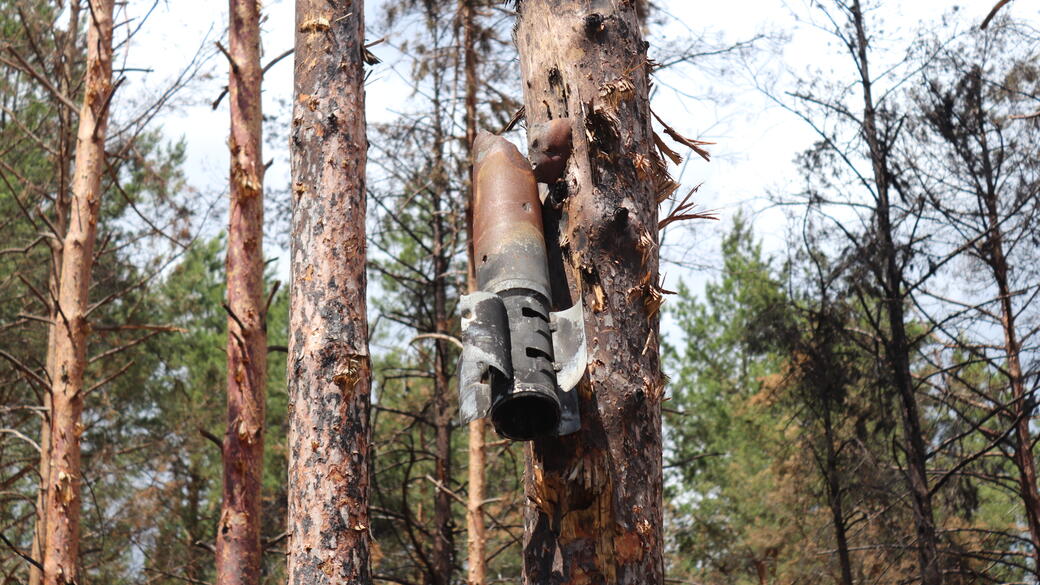
Environmental monitoring of the war against Ukraine and recovery strategy
Quick links
- Project period:
- 01-Nov-2022 - 31-Aug-2025
- Implemented by:
- OSCE Secretariat Extra-Budgetary Support Programme for Ukraine
- Fields of work:
- Environmental activities
Overview
The war against Ukraine is causing serious threats to the environment, human health and well-being. Regular attacks on hazardous industrial facilities and critical infrastructure, the destruction of built-up areas resulting in large volumes of building debris, as well as military waste with toxic components seriously affect the environment and environmental security across the country and beyond. In addition to the direct impact of military activities resulting in the contamination of the environment with toxic substances and destruction of natural ecosystems, the war is setting back progress towards sustainable development goals, threatening food, climate, and energy security.
Regular monitoring with consistent analysis of the environmental consequences of the ongoing war, proper communication of environmental risks to the public, and planning effective, data-driven environmental recovery measures are fundamental.
The project aims to empower national authorities and environmental stakeholders with the relevant tools, information, and expertise to manage the environment in times of war and post-war recovery. The project will help environmental stakeholders build a data management system and will expose them to the required expertise for monitoring and analysing environmental consequence of war, followed by strategic planning for environmental recovery.
The OSCE has been working in this area since 2017. Prior to 2022, the main focus was on helping the government perform environmental assessment and set recovery priorities for conflict-affected areas in eastern Ukraine.
This effort is part of the OSCE Secretariat Extra-Budgetary Support Programme for Ukraine implemented with extra-budgetary contributions from the Organization's participating States; see full list of the Programme's donors.
News and updates
Multimedia
Resources
Publications, guides and materials developed under the project
OSCE in action
The Organization’s work and teams in related fields
The OSCE’s work is based on a comprehensive security concept, encompassing 23 fields of work. Learn more about the Organization’s activities and teams working in fields relevant to this project.
Gender equality
Gender equality
Equal rights and opportunities for everyone
Human rights
Human rights
Protecting human rights throughout the OSCE region
Environmental activities
Strengthening environmental co-operation
Arms control
Arms control
Reducing the dangers of armed conflict


