
-
Our work
-
Fields of work
- Arms control
- Border management
- Combating trafficking in human beings
- Conflict prevention and resolution
- Countering terrorism
- Cyber/ICT Security
- Democratization
- Economic activities
- Education
- Elections
- Environmental activities
- Gender equality
- Good governance
- Human rights
- Media freedom and development
- Migration
- National minority issues
- Policing
- Reform and co-operation in the security sector
- Roma and Sinti
- Rule of law
- Tolerance and non-discrimination
- Youth
- Field operations
- Projects
-
Meetings and conferences
- Summit meetings
- Review Conferences
- Ministerial Council meetings
- Plenary meetings of the Permanent Council
- Plenary Meetings of the Forum for Security Co-operation
- Security Review Conferences
- Annual Implementation Assessment Meetings
- Economic and Environmental Forum
- Economic and Environmental Dimension Implementation Meetings
- Human rights meetings
- Media conferences
- Cyber/ICT security conferences
- Conference of the Alliance against Trafficking in Persons
- Gender equality conferences
- Annual OSCE Mediterranean conferences
- Annual OSCE Asian conferences
- Partnerships
-
Fields of work
-
Countries
- All
-
Participating States
- Albania
- Andorra
- Armenia
- Austria
- Azerbaijan
- Belgium
- Belarus
- Bosnia and Herzegovina
- Bulgaria
- Canada
- Croatia
- Cyprus
- Czechia
- Denmark
- Estonia
- Finland
- France
- Georgia
- Germany
- Greece
- Holy See
- Hungary
- Iceland
- Ireland
- Italy
- Kazakhstan
- Kyrgyzstan
- Latvia
- Liechtenstein
- Lithuania
- Luxembourg
- Malta
- Moldova
- Monaco
- Mongolia
- Montenegro
- The Netherlands
- North Macedonia
- Norway
- Poland
- Portugal
- Romania
- Russian Federation
- San Marino
- Serbia
- Slovakia
- Slovenia
- Spain
- Sweden
- Switzerland – OSCE Chairpersonship 2026
- Tajikistan
- Türkiye
- Turkmenistan
- Ukraine
- United Kingdom
- United States of America
- Uzbekistan
- Asian Partners for Co-operation
- Mediterranean Partners for Co-operation
-
Structures and institutions
- Chairpersonship
-
Secretariat
- Secretary General
- Office of the Secretary General
- Conflict Prevention Centre
- Transnational Threats Department
- Office of the Special Representative and Co-ordinator for Combating Trafficking in Human Beings
- Office of the Co-ordinator of OSCE Economic and Environmental Activities
- Gender Issues Programme
- Opportunities for Youth
- Department of Human Resources
- Department of Management and Finance
- Office of Internal Oversight
- Documentation Centre in Prague
- Institutions
-
Field operations
- Presence in Albania
- Centre in Ashgabat
- Programme Office in Astana
- Programme Office in Bishkek
- Mission to Bosnia and Herzegovina
- Programme Office in Dushanbe
- Mission in Kosovo
- Mission to Moldova
- Mission to Montenegro
- Mission to Serbia
- Mission to Skopje
- Project Co-ordinator in Uzbekistan
- Closed field activities
- Parliamentary Assembly
- Court of Conciliation and Arbitration
- Organizational structure
- About us
Photo Gallery
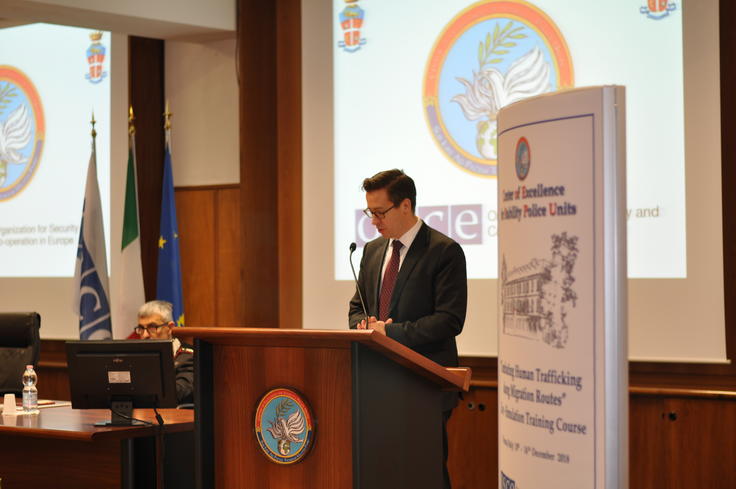
Fifth OSCE simulation-based training in combating human trafficking along migration routes in Vicenza








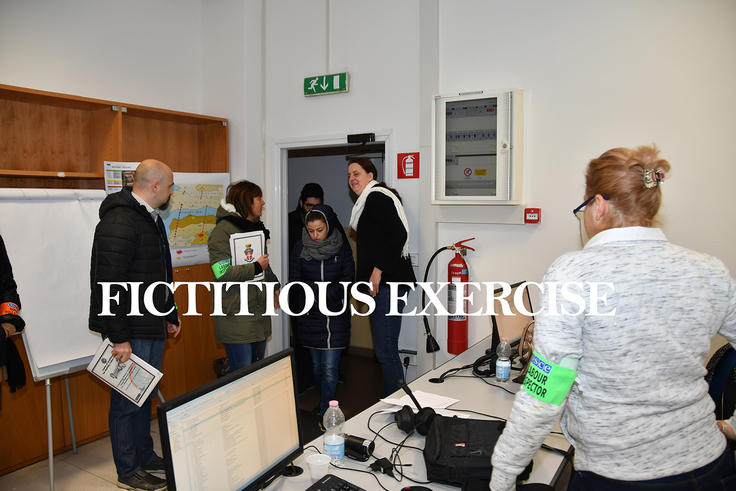

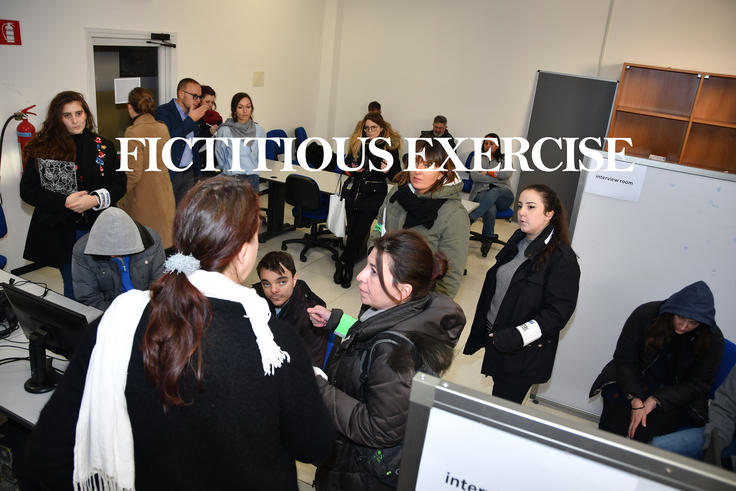



Over 70 anti-trafficking practitionersanti-trafficking practitioners
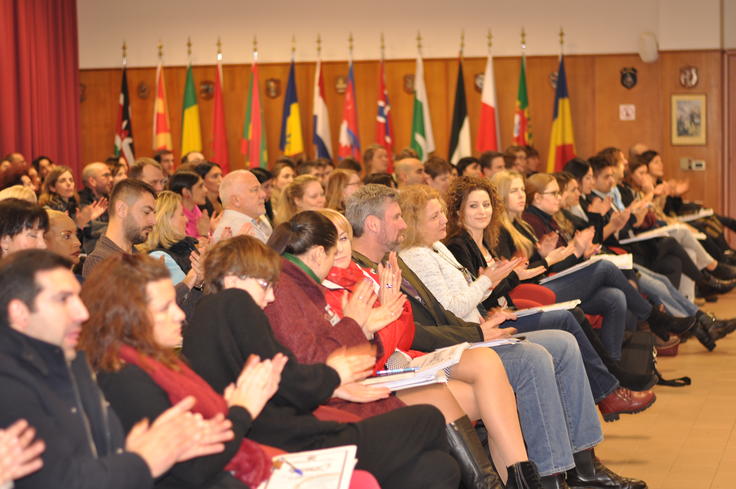
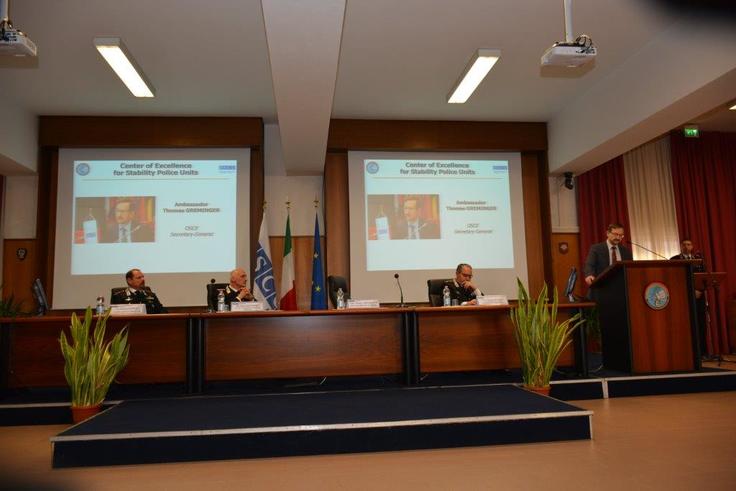
Anti-trafficking practitioners include a broad range of professionals such as law enforcement personnel, public prosecutors, migration officers or asylum authorities, lawyers, labour inspectors, social welfare practitioners, NGOs, and journalists. from more than 30 OSCE participating States and Partners for Co-operation in Europe, Central Asia and North America practiced how to concretely apply a multi-agency and human rights-based approach at the fifth OSCE international simulation-based training to combat human trafficking along migration routes, which concluded on 14 December. This one-week live simulation exercise took place at the Carabinieri-run Centre of Excellence for Stability Police Units (CoESPU) in Vicenza, Italy.
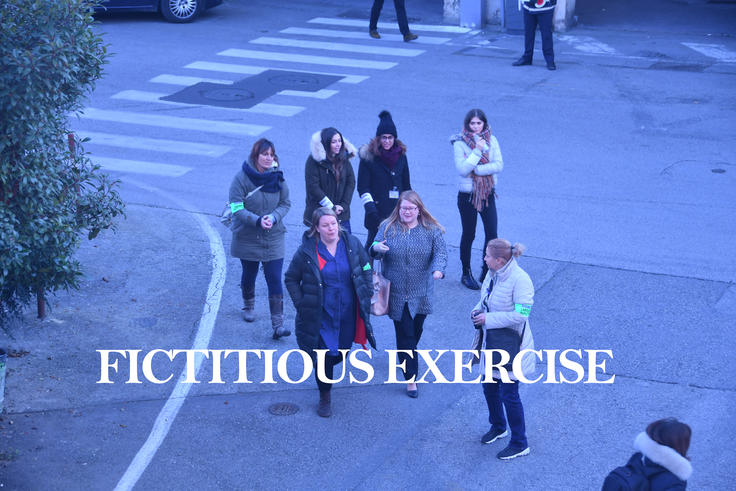
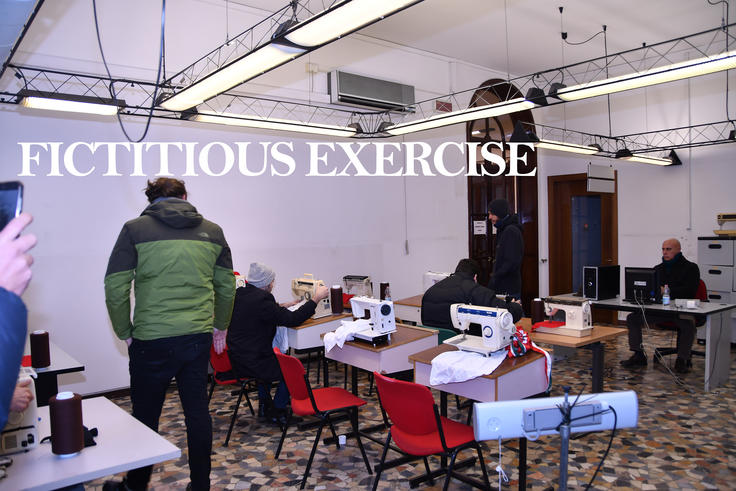
Migrants and asylum seekers in mixed migration flows continue to face grave risks of human trafficking and exploitation. The scenarios, based on real-life situations, allowed practitioners from law enforcement, prosecution, labour inspectorates, social services and civil society to confront the realities of migration and anti-trafficking work. The participants were presented with fictional scenarios in which migrants and asylum seekers fall victim to transnational organized crime syndicates. During the exercise they needed to work together to help victims who were coerced into working in agricultural fields, in a sewing factory or forced into prostitution. The scenes depicting victims and perpetrators were played by actors.
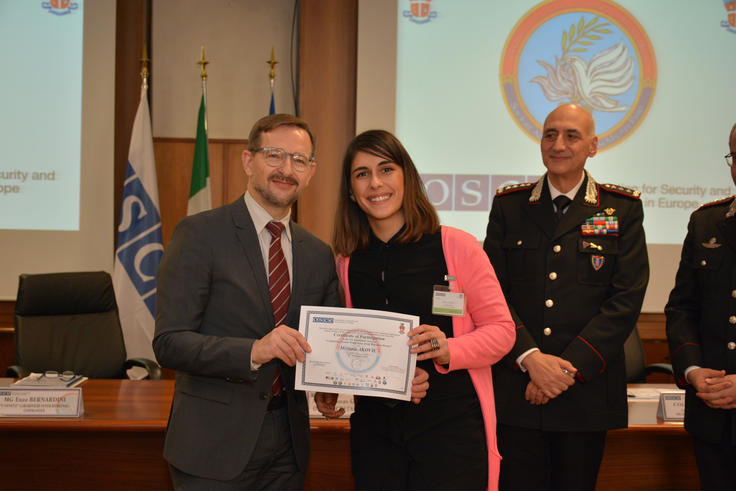
At the end of the simulation exercise the participants were presented with certificates of completion.
- Date:
- Source:
- OSCE Secretariat