
-
Our work
-
Fields of work
- Arms control
- Border management
- Combating trafficking in human beings
- Conflict prevention and resolution
- Countering terrorism
- Cyber/ICT Security
- Democratization
- Economic activities
- Education
- Elections
- Environmental activities
- Gender equality
- Good governance
- Human rights
- Media freedom and development
- Migration
- National minority issues
- Policing
- Reform and co-operation in the security sector
- Roma and Sinti
- Rule of law
- Tolerance and non-discrimination
- Youth
- Field operations
- Projects
-
Meetings and conferences
- Summit meetings
- Review Conferences
- Ministerial Council meetings
- Plenary meetings of the Permanent Council
- Plenary Meetings of the Forum for Security Co-operation
- Security Review Conferences
- Annual Implementation Assessment Meetings
- Economic and Environmental Forum
- Economic and Environmental Dimension Implementation Meetings
- Human rights meetings
- Media conferences
- Cyber/ICT security conferences
- Conference of the Alliance against Trafficking in Persons
- Gender equality conferences
- Annual OSCE Mediterranean conferences
- Annual OSCE Asian conferences
- Partnerships
-
Fields of work
-
Countries
- All
-
Participating States
- Albania
- Andorra
- Armenia
- Austria
- Azerbaijan
- Belgium
- Belarus
- Bosnia and Herzegovina
- Bulgaria
- Canada
- Croatia
- Cyprus
- Czechia
- Denmark
- Estonia
- Finland
- France
- Georgia
- Germany
- Greece
- Holy See
- Hungary
- Iceland
- Ireland
- Italy
- Kazakhstan
- Kyrgyzstan
- Latvia
- Liechtenstein
- Lithuania
- Luxembourg
- Malta
- Moldova
- Monaco
- Mongolia
- Montenegro
- The Netherlands
- North Macedonia
- Norway
- Poland
- Portugal
- Romania
- Russian Federation
- San Marino
- Serbia
- Slovakia
- Slovenia
- Spain
- Sweden
- Switzerland – OSCE Chairpersonship 2026
- Tajikistan
- Türkiye
- Turkmenistan
- Ukraine
- United Kingdom
- United States of America
- Uzbekistan
- Asian Partners for Co-operation
- Mediterranean Partners for Co-operation
-
Structures and institutions
- Chairpersonship
-
Secretariat
- Secretary General
- Office of the Secretary General
- Conflict Prevention Centre
- Transnational Threats Department
- Office of the Special Representative and Co-ordinator for Combating Trafficking in Human Beings
- Office of the Co-ordinator of OSCE Economic and Environmental Activities
- Gender Issues Programme
- Opportunities for Youth
- Department of Human Resources
- Department of Management and Finance
- Office of Internal Oversight
- Documentation Centre in Prague
- Institutions
-
Field operations
- Presence in Albania
- Centre in Ashgabat
- Programme Office in Astana
- Programme Office in Bishkek
- Mission to Bosnia and Herzegovina
- Programme Office in Dushanbe
- Mission in Kosovo
- Mission to Moldova
- Mission to Montenegro
- Mission to Serbia
- Mission to Skopje
- Project Co-ordinator in Uzbekistan
- Closed field activities
- Parliamentary Assembly
- Court of Conciliation and Arbitration
- Organizational structure
- About us
Multimedia Gallery
Cyberhygiene Campaign for Public Servants
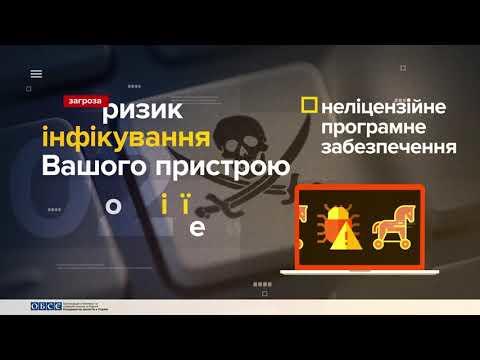
Cyber hygiene at workplace
This video (in Ukrainian) introduces to you the most wide-spread digital threats and proposes basic rules of cyber hygiene that will enable better protection…
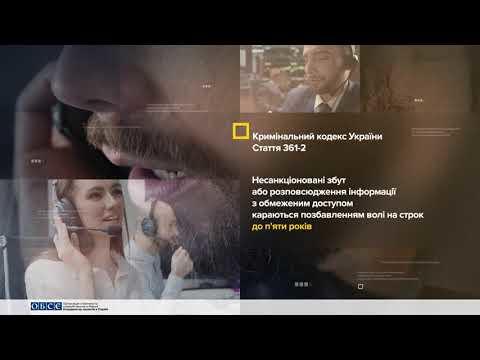
The Law and Its Enforcement in Cyberspace
Modern IT technologies create many advantages and opportunities; it expands the use of innovative approaches in the social sphere, public administration and…
Protection from Online Fraud
This video highlights the most common type of Internet fraud - phishing, and provides useful tips on how to protect yourself and your organisation from this…

Information hygiene for public servants
Trying to keep abreast of the latest developments and following the news online are a part of our daily routine nowadays. Yet, in a digital world, we often…
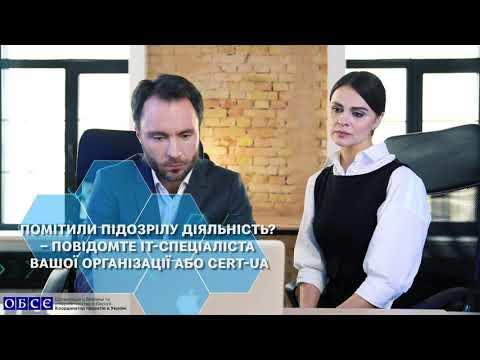
Cyber Hygiene Guidelines for Civil Servants
This video promotes basic rules for save use of IT technologies among civil servants, urges them to upgrade knowledge in the sphere of cyberhygiene. For that…
This page contains references to materials developed with the support of the OSCE Project Co-ordinator to promote tips and rules for safe conduct in cyberspace as part of a campaign aiming to raise awareness of public servants about IT-related risks, cybercrime threats and ways to enhance protection from them.
In partnership with the National Agency of Ukraine for Civil Service НАДС and Ukrainian School of Governance, the Co-ordinator produced a series of awareness-raising videos, promoting digital safety rules. Four of those videos, produced for this campaign, were reviewed and recognised as public service announcements by Ukraine’s regulator – National Council of TV and Radio Broadcasting. If you wish to receive broadcast quality copies of those videos, please send an e-mail to Olga.Voitovych@osce.org.
Together with the Ministry of Digital Transformation of Ukraine, IFES Ukraine and Vodafone Ukraine, the Co-ordinator developed a leaflet with useful data and statistics on cyber incidents and cyber-attacks occurred worldwide, including Ukraine, with special focus on the effect brought about to countries’ public and private sector infrastructure. It provides a set of useful rules Ukrainian civil servants should follow at their workplace to minimize the risks of such incidents. The leaflet is being circulated in Ukraine’s government and public service institutions. In addition, The Co-ordinator also contributed expertise to elaboration of Telegram-based chatbot “Digigram. Your Cyber Hygiene”. The chatbot is a tool to provide answers for most wide-spread questions on cyberthreats and safety rules.
The cyber hygiene awareness raising campaign is organised as part of the project “Strengthening Ukrainian State Authorities’ Cyber Hygiene and Cybersecurity Capacity” implemented by the Co-ordinator with financial support by the Foreign, Commonwealth & Development Office (Foreign, Commonwealth & Development Office British Embassy Kyiv) and German Federal Foreign Office.
- Date:
- Source:
- OSCE Project Co-ordinator in Ukraine (closed)