-
Our work
-
Fields of work
- Arms control
- Border management
- Combating trafficking in human beings
- Conflict prevention and resolution
- Countering terrorism
- Cyber/ICT Security
- Democratization
- Economic activities
- Education
- Elections
- Environmental activities
- Gender equality
- Good governance
- Human rights
- Media freedom and development
- Migration
- National minority issues
- Policing
- Reform and co-operation in the security sector
- Roma and Sinti
- Rule of law
- Tolerance and non-discrimination
- Youth
- Field operations
- Projects
-
Meetings and conferences
- Summit meetings
- Review Conferences
- Ministerial Council meetings
- Plenary meetings of the Permanent Council
- Plenary Meetings of the Forum for Security Co-operation
- Security Review Conferences
- Annual Implementation Assessment Meetings
- Economic and Environmental Forum
- Economic and Environmental Dimension Implementation Meetings
- Human rights meetings
- Media conferences
- Cyber/ICT security conferences
- Conference of the Alliance against Trafficking in Persons
- Gender equality conferences
- Annual OSCE Mediterranean conferences
- Annual OSCE Asian conferences
- Partnerships
-
Fields of work
-
Countries
- All
-
Participating States
- Albania
- Andorra
- Armenia
- Austria
- Azerbaijan
- Belgium
- Belarus
- Bosnia and Herzegovina
- Bulgaria
- Canada
- Croatia
- Cyprus
- Czechia
- Denmark
- Estonia
- Finland – OSCE Chairpersonship 2025
- France
- Georgia
- Germany
- Greece
- Holy See
- Hungary
- Iceland
- Ireland
- Italy
- Kazakhstan
- Kyrgyzstan
- Latvia
- Liechtenstein
- Lithuania
- Luxembourg
- Malta
- Moldova
- Monaco
- Mongolia
- Montenegro
- The Netherlands
- North Macedonia
- Norway
- Poland
- Portugal
- Romania
- Russian Federation
- San Marino
- Serbia
- Slovakia
- Slovenia
- Spain
- Sweden
- Switzerland
- Tajikistan
- Türkiye
- Turkmenistan
- Ukraine
- United Kingdom
- United States of America
- Uzbekistan
- Asian Partners for Co-operation
- Mediterranean Partners for Co-operation
-
Structures and institutions
- Chairpersonship
-
Secretariat
- Secretary General
- Office of the Secretary General
- Conflict Prevention Centre
- Transnational Threats Department
- Office of the Special Representative and Co-ordinator for Combating Trafficking in Human Beings
- Office of the Co-ordinator of OSCE Economic and Environmental Activities
- Gender Issues Programme
- Opportunities for Youth
- Department of Human Resources
- Department of Management and Finance
- Office of Internal Oversight
- Documentation Centre in Prague
- Institutions
-
Field operations
- Presence in Albania
- Centre in Ashgabat
- Programme Office in Astana
- Programme Office in Bishkek
- Mission to Bosnia and Herzegovina
- Programme Office in Dushanbe
- Mission in Kosovo
- Mission to Moldova
- Mission to Montenegro
- Mission to Serbia
- Mission to Skopje
- Project Co-ordinator in Uzbekistan
- Closed field activities
- Parliamentary Assembly
- Court of Conciliation and Arbitration
- Organizational structure
- About us
Cyber Security for Critical Infrastructure: Strengthening Confidence Building in the OSCE
Conference
- Date:
- Location:
- Hofburg, Vienna
- Organized by:
- Austria’s 2017 OSCE Chairmanship
- Source:
- OSCE Chairpersonship, OSCE Secretariat
- Fields of work:
- Cyber/ICT Security
About
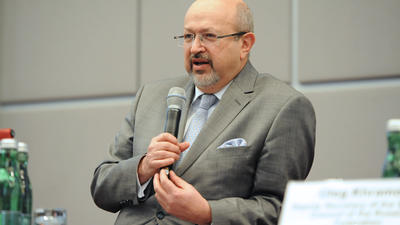
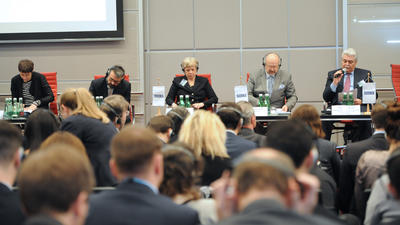
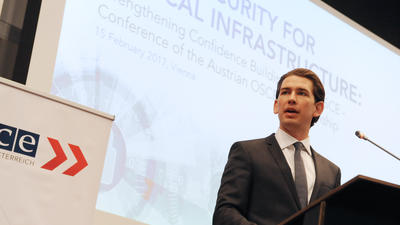
This conference, to be opened by OSCE Chairperson-in-Office and Austria’s Foreign Minister Sebastian Kurz, will focus on the protection of critical infrastructure, a key concern of national security, by strengthening the implementation of selected OSCE confidence-building measures (CBMs) to reduce the risks of conflict stemming from the use of information and telecommunication technologies (ICTs).
Given the importance of critical infrastructure to national security and the rapid expansion of the cyber space, it has become more and more likely that tensions will arise between States over ICT incidents involving critical infrastructure. Consequently, efforts to enhance cyber stability between States, which can prevent tensions and even conflicts, increasingly focus on effectively protecting critical infrastructure from cyber/ICT security threats.
The discussion will take stock of potential ICT-related threats to critical infrastructure and their consequences, explore how public-private partnerships in critical infrastructures can deal with potential ICT-related threats, and debate the compatibility between the maintenance of an open and secure cyber environment and the requirements of civil liberties and privacy in the internet.
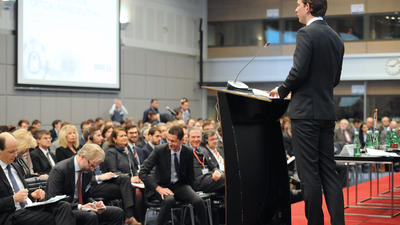
The opening session will be broadcast live on the OSCE website and our Facebook page.
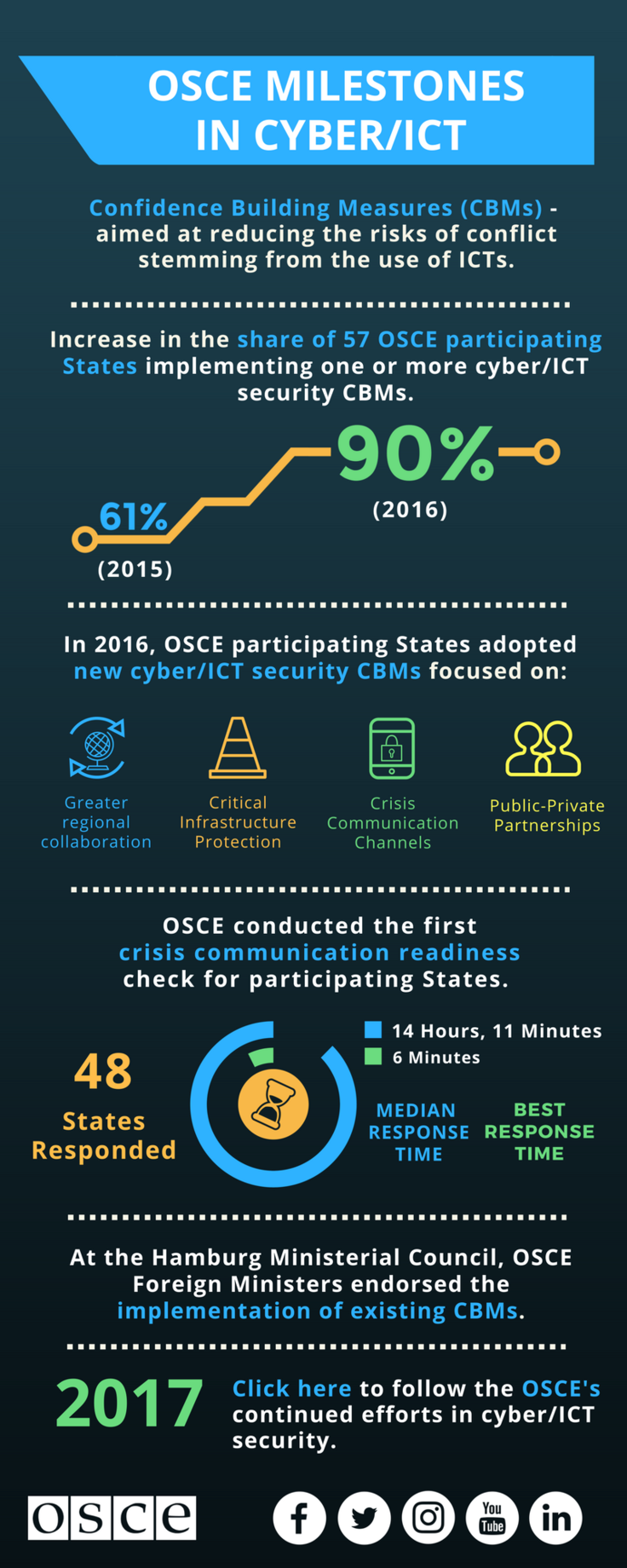
Click the image below to access the high resolution version of the infographic.